The Importance of Arborists: All-Inclusive Care for Optimal Tree Growth and Security.
Arborists serve a crucial function in maintaining the vitality and protection of trees. Their specialized knowledge covers aspects such as tree biology, pest control, and tree structure. Consistent upkeep is necessary for mitigating risks and fostering health. Yet, a lot of homeowners miss the indicators of tree distress that could result in severe outcomes. Understanding what arborists offer can drastically improve the duration and appearance of landscapes. Which essential services they provide?
Understanding the Role of Arborists

Although many people appreciate the beauty of trees, hardly anyone knows the vital function that arborists play in ensuring their well-being. Arborists are highly trained individuals skilled in the knowledge and practice of tree care. They have extensive knowledge of tree biology, ecology, and the various factors that influence tree development and firmness. Tree specialists evaluate trees for indications of illness, pest infestations, and vulnerable areas, making certain trees flourish in their environments. They also promote the ecological benefits of trees, such as carbon sequestration and wildlife habitat, pointing out their necessity in city development and environmental conservation. By applying optimal methods in tree care, arborists contribute to the general vitality of urban forests and landscapes. Their expertise is essential in informing the community about responsible tree stewardship, building more respect for trees and the vital part they play in the ecosystem.
Key Services Offered by Arborists
These professionals deliver a diverse selection of necessary services that contribute to the health and safety of trees. A key offering is tree pruning, which requires cutting away dead or diseased branches to encourage development and prevent hazards. Tree specialists perform tree assessments, analyzing the health and structural integrity of trees, finding hidden threats, and suggesting necessary steps. Moreover, they provide planting services, making sure trees are situated in appropriate spots with ideal soil conditions to thrive
One more vital service is pest and disease management, where arborists identify problems and carry out treatment strategies to keep the trees safe (Florence Arborist). Furthermore, many arborists perform tree removal when necessary, securely removing hazardous trees to lessen hazards to property and people. To conclude, they offer advisory services, teaching clients on practices for tree care that encourage sound development. In summary, these services are vital for maintaining urban and rural landscapes
The Benefits of Regular Tree Maintenance
Consistent tree care yields several benefits that boost the trees' well-being and the safety of the surrounding environment. Through consistent application of care, such as trimming and thinning, trees can develop more strongly, which permits better light access and circulation of air. This fosters robust structural development and decreases the threat of pests and diseases. Furthermore, regular maintenance aids in the removal of dead or hazardous branches, lessening the possibility of personal injury or property damage during periods of strong wind.
Moreover, well-maintained trees enhance the aesthetic appeal of landscapes, increasing property value. They also promote biodiversity by providing habitat for various species. Engaging professional arborists guarantees that maintenance practices are carried out accurately, using their knowledge to judge the health of the tree and administer the right treatments. Overall, regular maintenance creates a safer setting while enhancing the longevity and vigor of trees, helping the ecosystem as well as the community.
Recognizing Indicators of an Unhealthy Tree
How can one identify when a tree is stressed? Knowing the indicators of tree distress is crucial for maintaining tree health and safety. Important signs involve related article wilting or yellowing leaves, which may suggest insufficient water or a shortage of nutrients. Additionally, a significant amount of leaf drop can indicate distress, especially when the tree is actively growing. Changes in bark texture, such as flaking or splitting, often point to hidden issues, including pest infestations or disease. An unusual number of dead branches, particularly if they are scattered broadly, points to declining vitality. Moreover, a compromised root structure, shown by roots that are exposed or leaning, could threaten a tree’s inherent strength. Lastly, the presence of fungi or mushrooms near the trunk's base can signal decay. By recognizing these signs early, tree owners can take appropriate action to lessen the dangers and ensure the tree remains healthy, ensuring the longevity and safety of their trees.
Selecting the Ideal Arborist for Your Needs
When selecting an arborist, which elements must be taken into account to ensure they are the right match for their tree care needs? To begin with, qualifications are vital; a certified arborist should possess appropriate training and necessary qualifications in tree care. A proven track record is also important; those with a proven track record tend to offer superior service. Furthermore, looking at reviews and asking for references provides a clear view into an arborist’s professional standards and dependability.
Another important consideration is the types of services available. Whether tree pruning, disease management, or emergency care, a suitable arborist must be able to address to specific needs. Furthermore, it is advisable to inquire about insurance and safety practices to guarantee coverage against potential liabilities. Lastly, obtaining multiple quotes can help gauge pricing and value, facilitating a well-informed choice. When these factors are carefully considered, individuals can choose an arborist who meets their specific needs and supports the health and security of their trees.
FAQs
How Frequently Should Tree Care Services Be Scheduled?
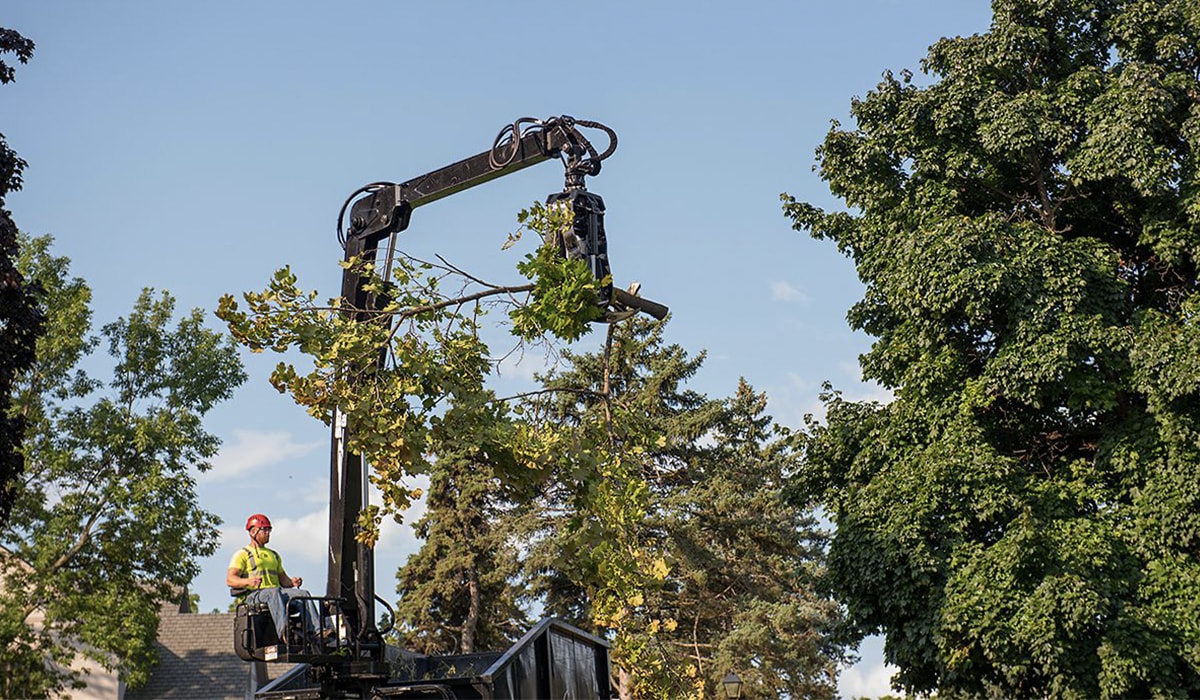
Tree maintenance services should be scheduled at least once a year for the majority of trees (Florence Arborist). Yet, individual requirements can differ based on tree species, age, and local climate conditions, making it necessary to modify the maintenance schedule
Which Credentials Should I Seek in an Arborist?
When looking to hire a tree professional, one should look for certifications such as certification from the ISA (International Society of Arboriculture), accreditation by the TCIA (Tree Care Industry Association), or state-specific licenses that demonstrate expertise in tree care and safety practices.
Do Arborists Offer Tree Planting Services?
Certainly, tree specialists are able to help with the process of tree installation. They provide expertise regarding the selection of fitting species, guaranteeing the right techniques are used, and giving advice about the specific site factors, ultimately promoting healthy growth and enhancing the landscape's ecological balance.
In What Ways Does the Weather Influence Tree Care?
Weather conditions greatly influence tree care. Temperature extremes, the amount of rainfall, and wind patterns influence how trees grow, well-being, and risk of infestation, necessitating customized maintenance plans so that trees prosper under diverse environmental circumstances.
What Is the Average Cost for Arborist Services?
The typical fee for employing a tree expert usually falls between a minimum of $300 up to $1,500, based on variables including location, the dimensions of the tree, and the complexity of the services required for maintaining the trees and evaluating their health.